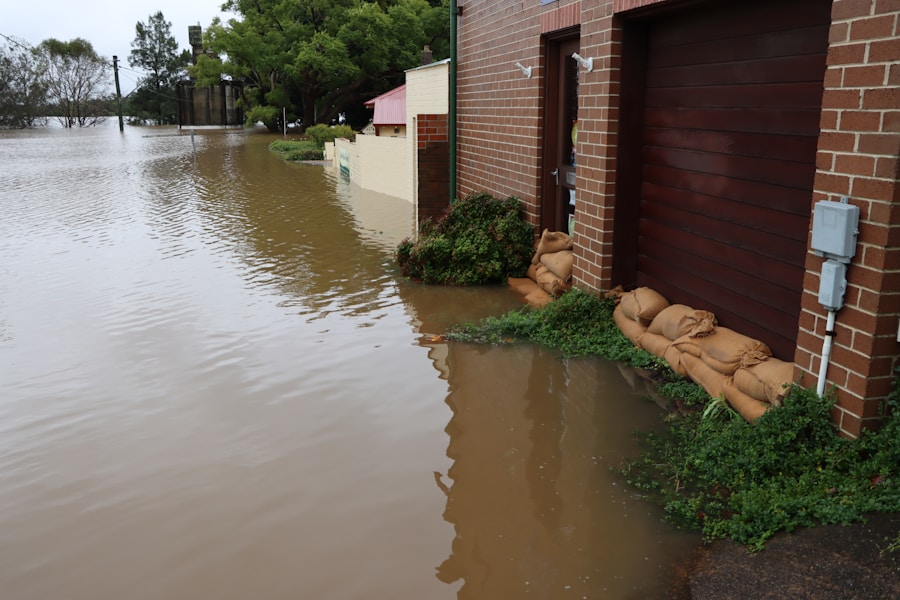
Flood insurance is a type of insurance policy that provides coverage for property damage caused by flooding. It is important to understand that standard homeowners or renters insurance policies typically do not cover flood damage, so it is necessary to purchase a separate flood insurance policy to protect your property. Flood insurance is typically offered through the National Flood Insurance Program (NFIP) or through private insurance companies. It is important to understand the specific coverage and limitations of your flood insurance policy to ensure that you are adequately protected in the event of a flood.
Flood insurance coverage typically includes protection for the structure of your home, as well as its contents. This means that the policy will provide coverage for damage to the physical structure of your home, as well as damage to your personal belongings inside the home. It is important to carefully review your policy to understand the specific coverage limits and deductibles, as well as any exclusions or limitations that may apply. Understanding the details of your flood insurance coverage will help you make informed decisions about purchasing the right amount of coverage for your property.
What Does Flood Insurance Cover?
Flood insurance typically covers damage to the structure of your home, including the foundation, walls, floors, and built-in appliances. It also provides coverage for damage to electrical and plumbing systems, HVAC systems, and water heaters. In addition, flood insurance typically covers damage to personal belongings, such as furniture, clothing, and electronics. It is important to keep an inventory of your personal belongings and their value to ensure that you have adequate coverage in the event of a flood.
Flood insurance also provides coverage for temporary living expenses if your home becomes uninhabitable due to flood damage. This can include expenses for temporary housing, food, and other necessities while your home is being repaired. It is important to carefully review your policy to understand the specific coverage limits and exclusions that may apply to temporary living expenses. Understanding what flood insurance covers will help you make informed decisions about purchasing the right amount of coverage for your property.
What Does Flood Insurance Not Cover?
While flood insurance provides important coverage for property damage caused by flooding, it is important to understand that there are limitations and exclusions that may apply to your policy. For example, flood insurance typically does not cover damage caused by sewer backups or sump pump failures. It also does not cover damage to landscaping, fences, or swimming pools. In addition, flood insurance does not cover currency, precious metals, or valuable papers such as stock certificates and bonds.
Flood insurance also does not cover damage caused by mold or mildew that could have been prevented by the homeowner. It is important to carefully review your policy to understand the specific exclusions and limitations that may apply to your coverage. Understanding what flood insurance does not cover will help you make informed decisions about purchasing additional coverage or taking steps to protect your property from potential risks.
How to Purchase Flood Insurance
There are a few different options for purchasing flood insurance, depending on where you live and the specific requirements in your area. In most cases, flood insurance is available through the National Flood Insurance Program (NFIP), which is managed by the Federal Emergency Management Agency (FEMA). You can purchase a flood insurance policy directly through the NFIP or through an insurance agent who participates in the program. In some cases, private insurance companies may also offer flood insurance policies, so it is important to explore all of your options to find the best coverage for your needs.
When purchasing flood insurance, it is important to carefully consider the amount of coverage you need based on the value of your property and its contents. You should also consider any specific risks in your area, such as proximity to a river or coastal area, and whether additional coverage may be necessary. It is important to carefully review the details of any policy you are considering to understand the specific coverage limits, deductibles, and exclusions that may apply. Working with an experienced insurance agent can help you navigate the process of purchasing flood insurance and ensure that you have the right coverage for your property.
The Importance of Flood Insurance
Flood insurance is an important investment for homeowners and renters, as it provides critical protection for property damage caused by flooding. Standard homeowners or renters insurance policies typically do not cover flood damage, so it is necessary to purchase a separate flood insurance policy to ensure that you are adequately protected. Flooding can occur in any area, regardless of whether it is considered a high-risk flood zone, so it is important for all homeowners and renters to consider purchasing flood insurance.
In addition to providing coverage for property damage, flood insurance can also provide peace of mind in the event of a flood-related disaster. Knowing that you have adequate coverage in place can help alleviate some of the stress and financial burden associated with recovering from a flood. Flood insurance can also provide protection for personal belongings and temporary living expenses if your home becomes uninhabitable due to flood damage. Overall, flood insurance is an important tool for protecting your property and ensuring that you are prepared for potential risks.
Tips for Filing a Flood Insurance Claim
If you experience flood damage to your property, it is important to take immediate steps to file a flood insurance claim and begin the process of recovering from the damage. The first step is to contact your insurance company or agent as soon as possible to report the damage and begin the claims process. You will need to provide detailed information about the extent of the damage, including photographs and documentation of any personal belongings that were affected.
It is important to carefully review your flood insurance policy to understand the specific requirements and deadlines for filing a claim. You will need to provide documentation of the damage, including estimates for repairs and replacements, as well as receipts for any expenses related to temporary living arrangements or emergency repairs. Working with an experienced contractor or restoration professional can help ensure that you have accurate estimates for the cost of repairs and replacements. It is also important to keep detailed records of all communication with your insurance company throughout the claims process.
The Future of Flood Insurance Coverage
As climate change continues to impact weather patterns and increase the frequency and severity of natural disasters, the future of flood insurance coverage is likely to evolve. There is growing recognition of the need for improved risk assessment and mitigation strategies to address the increasing threat of flooding in many areas. This may include changes to flood maps and risk ratings, as well as efforts to promote greater awareness and preparedness for potential flooding risks.
In addition, there is increasing interest in expanding access to flood insurance coverage for homeowners and renters in high-risk areas. This may include efforts to make flood insurance more affordable and accessible for those who are most vulnerable to flooding risks. There is also ongoing discussion about potential reforms to the National Flood Insurance Program (NFIP) to address its financial sustainability and improve its ability to respond to future flooding events.
Overall, the future of flood insurance coverage will likely involve a combination of efforts to improve risk assessment and mitigation strategies, expand access to coverage, and promote greater awareness and preparedness for potential flooding risks. It is important for homeowners and renters to stay informed about these developments and consider how they may impact their own flood insurance needs in the future. Working with an experienced insurance agent can help ensure that you have the right coverage in place to protect your property from potential flooding risks.
Leave a Reply