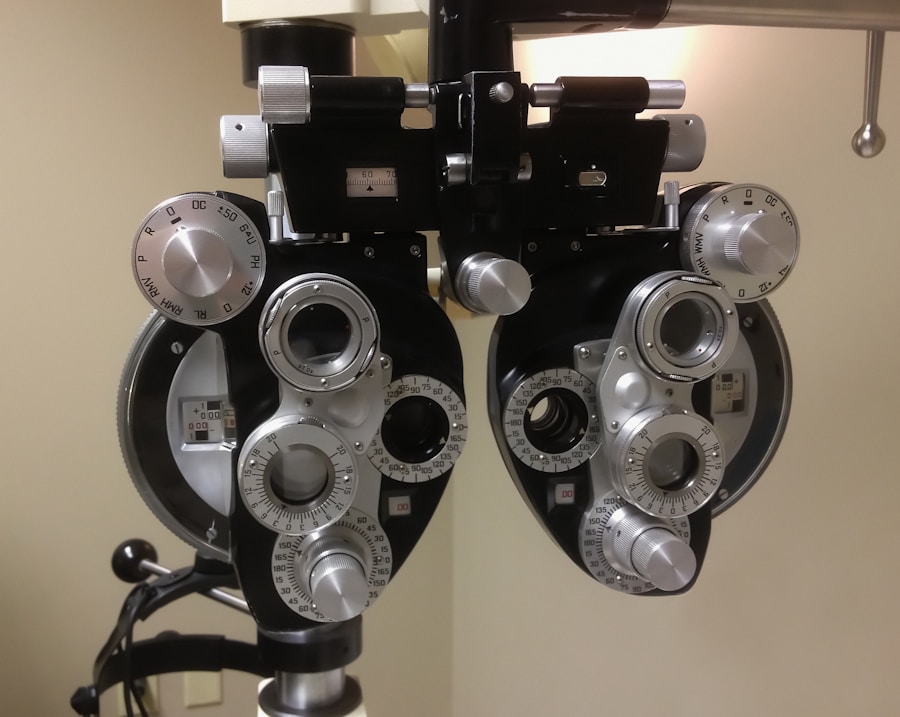
Vision insurance is a type of insurance that helps cover the costs of routine eye exams, prescription eyewear, and other vision-related expenses. It is designed to help individuals and families manage the costs of maintaining good eye health and clear vision. Vision insurance plans typically cover a portion of the cost of eye exams, prescription glasses, contact lenses, and even corrective eye surgery. Some plans may also offer discounts on vision correction procedures such as LASIK. Vision insurance is separate from health insurance and is often offered as a standalone plan or as a rider to a health insurance policy.
Vision insurance is important for maintaining good eye health and catching any potential vision problems early on. Regular eye exams can help detect conditions such as glaucoma, cataracts, and macular degeneration, which can be treated more effectively when caught early. Additionally, vision insurance can help offset the costs of prescription eyewear, which can be quite expensive without coverage. Understanding the ins and outs of vision insurance can help individuals and families make informed decisions about their eye care needs and financial planning.
Types of Vision Insurance Plans
There are several types of vision insurance plans available to individuals and families. The most common types include vision benefits packages offered by employers, individual vision insurance plans, and discount vision plans. Employer-sponsored vision benefits packages are often included as part of a larger employee benefits package and may cover all or a portion of the cost of routine eye exams, prescription eyewear, and contact lenses. Individual vision insurance plans are purchased directly from an insurance provider and offer coverage for routine eye exams, prescription eyewear, and other vision-related expenses. Discount vision plans, on the other hand, offer discounts on vision care services and products in exchange for a monthly or annual membership fee.
Each type of vision insurance plan has its own set of benefits and limitations, so it’s important to carefully review the details of each plan before making a decision. Employer-sponsored plans may have limited provider networks, while individual plans may offer more flexibility in choosing eye care providers. Discount vision plans may be more affordable but may not offer as comprehensive coverage as traditional insurance plans. Understanding the differences between these types of plans can help individuals and families choose the best option for their vision care needs.
Coverage and Benefits
Vision insurance plans typically cover a range of vision care services and products, including routine eye exams, prescription eyewear, contact lenses, and even discounts on corrective eye surgery. Some plans may also offer coverage for additional services such as vision therapy or low vision aids. The level of coverage and benefits offered by a vision insurance plan can vary widely depending on the specific plan and provider. For example, some plans may cover a portion of the cost of eyeglass frames and lenses, while others may only cover the cost of a basic pair of glasses.
In addition to coverage for specific services and products, vision insurance plans may also offer benefits such as access to a network of eye care providers, discounts on additional pairs of glasses or contact lenses, and even discounts on non-prescription sunglasses. Some plans may also offer coverage for pre-existing conditions or allow for out-of-network benefits. Understanding the coverage and benefits offered by a vision insurance plan is essential for making informed decisions about eye care and managing costs.
Choosing the Right Vision Insurance
When choosing a vision insurance plan, there are several factors to consider to ensure that the plan meets your specific needs and budget. First, it’s important to consider the level of coverage offered by the plan, including coverage for routine eye exams, prescription eyewear, contact lenses, and other vision-related expenses. Additionally, it’s important to consider the cost of premiums, deductibles, and copayments associated with the plan. Some plans may have higher premiums but lower out-of-pocket costs, while others may have lower premiums but higher out-of-pocket costs.
It’s also important to consider the network of eye care providers associated with the plan. Some plans may have a limited network of providers, while others may offer more flexibility in choosing an eye care provider. Additionally, it’s important to consider any restrictions or limitations associated with the plan, such as waiting periods for certain services or restrictions on coverage for pre-existing conditions. Finally, it’s important to consider any additional benefits or discounts offered by the plan, such as discounts on additional pairs of glasses or contact lenses. By carefully considering these factors, individuals and families can choose the right vision insurance plan for their specific needs.
Cost of Vision Insurance
The cost of vision insurance can vary widely depending on the specific plan and provider. Employer-sponsored vision benefits packages are often included as part of an employee benefits package at little to no cost to the employee. However, individual vision insurance plans and discount vision plans typically require a monthly or annual premium in exchange for coverage. The cost of premiums for individual vision insurance plans can range from as little as $5 per month to over $20 per month, depending on the level of coverage and benefits offered by the plan.
In addition to monthly or annual premiums, vision insurance plans may also require individuals to pay deductibles and copayments for certain services and products. Deductibles are the amount that individuals must pay out-of-pocket before their insurance coverage kicks in, while copayments are fixed amounts that individuals must pay for specific services or products. Some plans may also have coinsurance requirements, which require individuals to pay a percentage of the cost of certain services or products. Understanding the cost structure of a vision insurance plan is essential for managing expenses and making informed decisions about eye care.
Using Vision Insurance
Using vision insurance is relatively straightforward once you have chosen a plan that meets your needs. The first step is to find an eye care provider that is in-network with your insurance plan. Many vision insurance providers have online directories that allow you to search for in-network providers based on your location and specific needs. Once you have chosen an in-network provider, you can schedule a routine eye exam or other vision care services as needed.
When you visit an in-network provider, you will typically need to present your vision insurance card at the time of your appointment. The provider will then bill your insurance company directly for covered services and products. Depending on your specific plan, you may be responsible for paying any deductibles, copayments, or coinsurance at the time of your appointment. If you choose to visit an out-of-network provider, you may need to pay for services and products upfront and then submit a claim to your insurance company for reimbursement.
Tips for Maximizing Vision Insurance Benefits
There are several tips for maximizing the benefits of your vision insurance plan. First, it’s important to schedule regular eye exams to maintain good eye health and catch any potential vision problems early on. Many vision insurance plans cover the cost of routine eye exams in full or in part, so taking advantage of this benefit can help you stay on top of your eye health without breaking the bank. Additionally, it’s important to take advantage of any discounts or additional benefits offered by your plan, such as discounts on additional pairs of glasses or contact lenses.
Another tip for maximizing vision insurance benefits is to carefully review your plan’s coverage details before making any major decisions about your eye care needs. Understanding what services and products are covered by your plan can help you make informed decisions about which providers to visit and which treatments to pursue. Finally, it’s important to stay informed about any changes to your plan’s coverage or benefits over time. Insurance companies may update their coverage details or provider networks periodically, so staying informed can help you make the most of your vision insurance benefits. By following these tips, individuals and families can make the most of their vision insurance coverage and maintain good eye health for years to come.
Leave a Reply